


Know where your loved ones are at all times

Designed for independent living

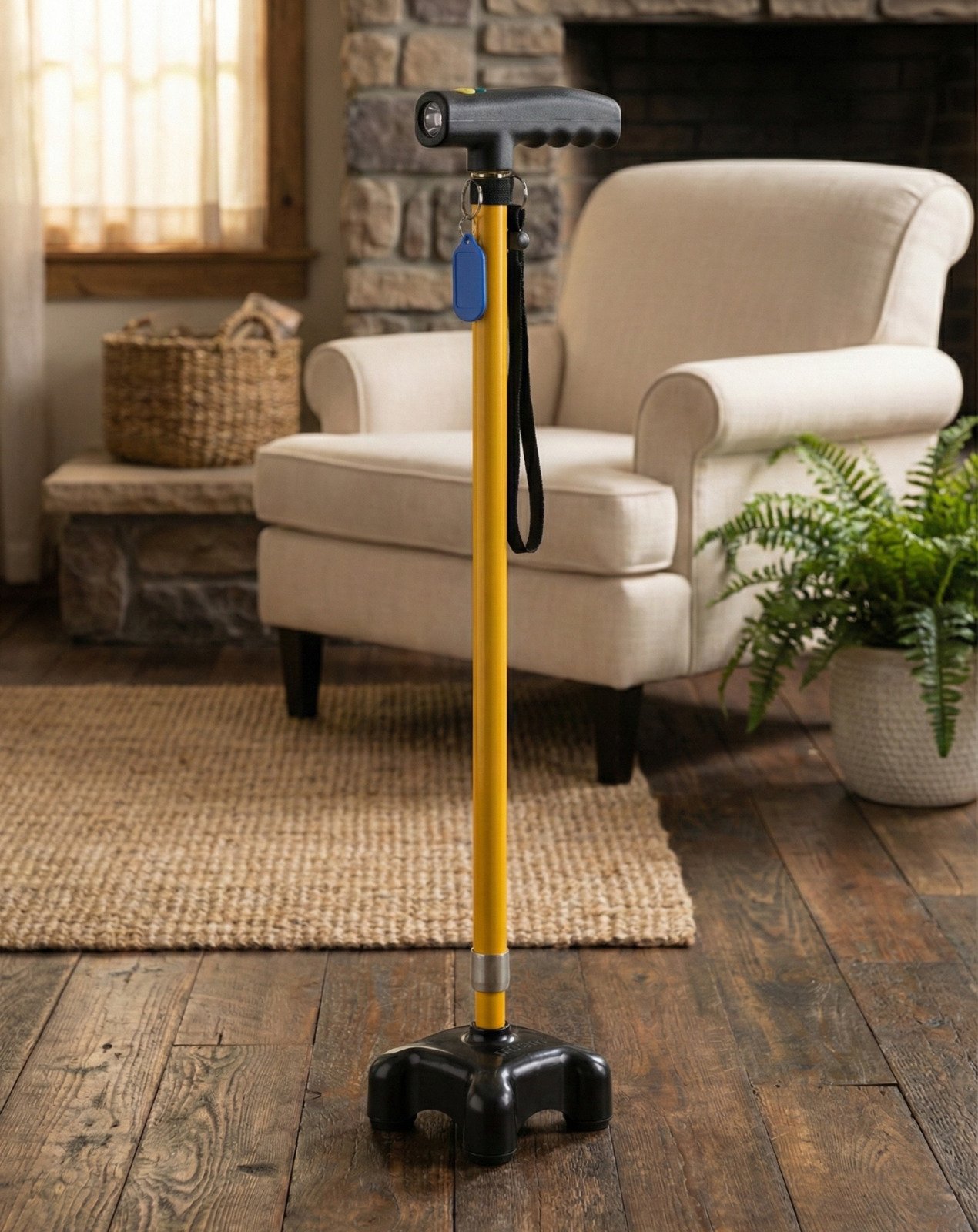
Ensures visibility and draws nearby attention

Sends instant alerts to your caregivers

Seamless pairing with smartphones

Automatic notifications in case of an accident


We specialize in designing and developing smart hardware solutions for healthcare, wellness, and personal safety. From concept to prototype and production, our team handles sensor integration, embedded electronics, and IoT connectivity with a strong focus on usability, compliance, and durability.

AmiLink is our proprietary IoT framework that connects health and safety devices to a secure cloud platform. It enables real-time monitoring, analytics, and alerts while simplifying device management and integration for seamless health experiences


मी सुनीता पेंढारकर, Amicane काठी चालताना आधारासाठी एक महिन्यापासून वापरत आहे. काठीचे अनेक फायदे आहेत -
१. काठी वजनास हलकी आहे.
२. त्यावरील तीन बटणे आपल्या उपयोगासाठी आहेत.
अ) पांढरे बटण दाबल्यावर लाईट लागतो.
ब) केशरी बटण दाबल्यावर आपल्या घरातील एका माणसाच्या मोबाईलवर Application द्वारे आपण पडल्यास मेसेज पाठवते व ठिकाण कळवते.
क) हिरवे बटण दाबल्यावर आपण सुरक्षित आहोत हे घरी कळवता येते.
३. काठीचा Base जमिनीवर स्थिर राहतो व कुठे अडकत नाही.वरील सर्व फायद्यांमुळे माझा चालण्याचा वेगही थोडा वाढला आहे व आपण पडणार नाही असा विश्वास वाटतो.
ज्येष्ठ व्यक्तींनी AmiCane काठी वापरावी असे माझे मत आहे.

As a daughter-in-law, we all know that responsibility of in laws lies on me. In my work I have to travel a lot and sometimes I am away from home for even 15-20 days. AmiCane provides fall and SOS alerts which makes me comfortable when I am traveling. I keep getting all the information of my in laws. Being into fitness consulting field, I can surely say that AmiCane is useful for better posture as well as better walking speed for elderly people and that too with lots of confidence. I will surely recommend AmiCane to my elderly friends.

मी नोकरी करते. मिस्टर व्यवसायात असल्याने सासुबाईंची जबाबदारी माझ्यावरच आहे. माझी नोकरी पार्ट टाइम असल्याने, मिस्टर दुपारपर्यंत घरी थांबायचे. AmiCane घेतल्यापासून ती चिंता मिटली. मी कुठेही असले तरी सासुबाईचे ठीक चालू आहे हे समजत रहाते. SOS, fall detection आणि दर थोड्या वेळाने सासूबाई All is Well बटण दाबतात, यामुळे मी शांतपणे नोकरी करू शकते. SMS, Call आहेत म्हणून मी आणि मिस्टर दोघेही सासूबाईंना घरी एकटे ठेवू शकतो. Thank you या उपयुक्त काठीसाठी
